Software as a Medical Device (SaMD) refers to software meant to carry out medical tasks without being part of a physical medical device. According to the International Medical Device Regulators Forum (IMDRF), SaMD includes software that can diagnose, prevent, monitor, or treat diseases on its own, without needing any hardware component.
Its rise marks a big change in digital health: SaMD makes it possible to find diseases earlier, track patient health over time, support medical decisions as they happen, and make care more widely available. Still, its development is closely watched by international regulators because of the risks that can come from software errors or wrong results in medical situations.
Unlike software embedded in traditional medical devices (Software in a Medical Device, SiMD), SaMD functions autonomously and typically operates on general-purpose computing platforms such as mobile devices, servers, or cloud infrastructures. The main distinction lies in its independence from specific hardware, making SaMD more flexible — but also more complex to regulate and validate.
For instance, a software installed on a tablet that analyses dermatological images to detect malignant lesions qualifies as SaMD. In contrast, software embedded in an infusion pump to control dosage is SiMD, as it directly interfaces with hardware and cannot function without it.
To be classified as a medical device, software must fulfil specific criteria that primarily revolve around its intended use and potential impact on patient safety. Under EU Medical Device Regulation (MDR) and the U.S. FDA guidelines, the classification of SaMD is risk-based, following a hierarchical structure.
Key factors include:
IMDRF’s SaMD risk categorization framework further stratifies software into four categories, based on the significance of the information provided by the SaMD and the state of the healthcare situation or condition:
The assigned classification directly determines the stringency of regulatory approval processes, from self-certification to notified body involvement or premarket approval.
Given its direct clinical implications, SaMD must be developed under a structured, evidence-based lifecycle aligned with internationally recognized standards. The backbone of this process is defined in IEC 62304, which outlines the software development lifecycle for medical device software.
In tandem with ISO 13485, which mandates a quality management system (QMS) specific to medical devices, and ISO 14971 for risk management, these standards ensure that every phase — from design to decommissioning — adheres to a traceable, auditable, and risk-aware methodology.
Key elements of the SaMD development lifecycle include:
Each phase must be documented in accordance with regulatory expectations. Traceability matrices, test protocols, anomaly reports, and clinical evaluation reports are standard deliverables subject to audit and regulatory inspection.
Medical software, due to its non-physical nature, introduces unique challenges. A critical difference between SaMD and hardware devices is the rapid rate of iteration and updates in software, which may inadvertently introduce new risks post-release. Consequently, regulators emphasize continuous validation and lifecycle management, not just premarket clearance.
Validation in SaMD involves:
Verifying that the software algorithm functions as intended.
Demonstrating that the software achieves its intended medical purpose under real-world conditions.
Ensuring that the user interface supports safe and effective use.
Failure to perform robust validation may lead to clinical misjudgments, especially when software outputs influence diagnostic or therapeutic decisions.
Additionally, the cost and time to market are influenced by software safety class (Class A, B, C under IEC 62304), complexity, use of AI/ML algorithms, and jurisdictional approval pathways. For example, machine-learning SaMD intended to diagnose life-threatening conditions would likely fall under the highest risk category and require extensive documentation, third-party audits, and possible clinical trials.
Real-world applications of SaMD span multiple disciplines. Diagnostic software now supports radiologists with AI-driven triage for CT scans, enabling prioritization of critical cases. In cardiology, smartphone-based ECG apps allow early detection of atrial fibrillation in ambulatory patients. Endocrinology has adopted SaMD platforms that provide dynamic insulin dosing recommendations based on real-time glucose readings.
Additionally, software platforms integrated with electronic health records (EHR) enhance longitudinal tracking of chronic diseases and enable interoperability across care teams. Cloud-based patient monitoring systems improve outcomes by alerting providers to early signs of deterioration, particularly in outpatient or remote settings.
Software as a Medical Device represents a convergence of clinical necessity and technological innovation. Its deployment across the healthcare ecosystem has improved diagnostics, enabled personalized treatment, and extended access to care beyond traditional settings. However, these benefits are only possible when SaMD is developed and maintained under strict regulatory and quality regimes.
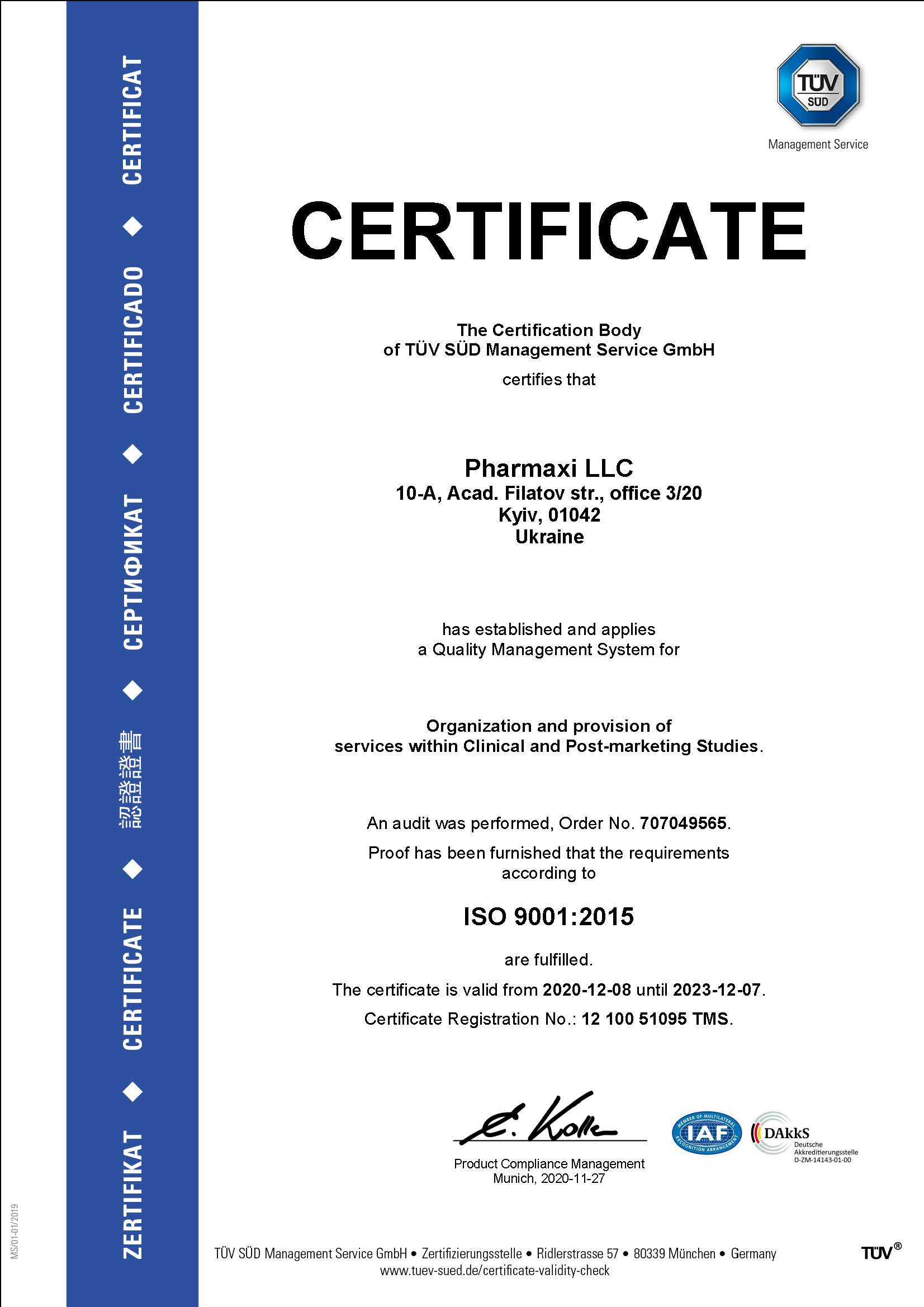
Pharmaxi supports SaMD manufacturers with comprehensive regulatory, clinical, and quality expertise — from early classification to full certification and post-market monitoring.
👉 Explore Pharmaxi’s SaMD development and compliance services
Contact us