Medical device software validation is a cornerstone of safety, compliance, and performance — whether it involves traditional embedded systems or modern Software as a Medical Device (SaMD). As digital health tools become increasingly central to clinical care, regulatory agencies like the FDA and European authorities require rigorous validation and testing throughout the development lifecycle.
Unlike general software, medical device software directly impacts patient health. Therefore, validation is not just a best practice — it is a regulatory imperative grounded in international standards and evidence-based engineering.
According to the FDA and EU MDR, software validation is defined as the process of establishing, through objective evidence, that software conforms to the defined user needs and intended use.
Importantly, validation is not the same as verification. Verification ensures that software was built correctly according to specifications. Validation, by contrast, ensures the right software was built — i.e., that it performs safely and effectively in real-world conditions.
Validation includes user needs assessment, usability studies, clinical testing, and comprehensive documentation of all activities and outcomes. It is a continuous process, starting from requirements and extending through post-market surveillance.
While both SaMD and embedded software require validation, SaMD presents unique challenges. As a standalone product, SaMD must deliver clinical value independently of hardware, and its performance must be validated accordingly.
Regulators like the FDA and IMDRF emphasize:
Confirming the correctness and robustness of algorithms.
Ensuring that users can interact with the software safely.
SaMD validation follows a risk-based approach, aligning with standards like IEC 62304, which requires defining safety classes (A/B/C), linking risk controls to test protocols, and validating against real-world use cases. Documentation must include traceability matrices, test reports, and clinical evidence.
Testing medical software is not a single event or a checklist — it is a disciplined process that unfolds throughout the development lifecycle. Its ultimate purpose is to ensure that the software behaves as intended, under expected and unexpected conditions, and that it does so consistently, reliably, and safely.
In the context of SaMD, testing takes on additional significance. Unlike traditional devices, there is no physical form factor to constrain or guide use. The software must be robust enough to function correctly across varied platforms and user environments. Moreover, its clinical claims — such as diagnosis or monitoring — must be verified through objective evidence.
Testing begins with unit testing, where developers validate small chunks of code for correctness. This forms the foundation. Once modules are built, integration testing checks how components interact, ensuring data is passed and interpreted properly. System testing then evaluates the entire software package in a near-real-world simulation. Finally, acceptance testing examines whether the software satisfies user expectations and regulatory criteria.
What connects all these phases is traceability — each requirement must be mapped to test cases. This isn’t just good practice: regulators expect it. For example, if a diagnostic app promises to identify melanoma from images, every function contributing to that outcome needs to be traceable to a test confirming it works — under realistic conditions.
Real-world examples make this concrete: AI algorithms must be tested for sensitivity and specificity, UI flows must be validated for intuitive navigation, and connectivity with hospital systems must be assessed for security, latency, and data integrity.
Validating medical software isn’t done in a vacuum — it must align with internationally recognized frameworks that define what “safe and effective” looks like in this highly regulated field.
The IEC 62304 standard is central. It prescribes a structured lifecycle model for software — covering planning, development, risk control, testing, and maintenance. It also introduces safety classification (Class A/B/C), which determines how much documentation and control are required.
Next, ISO 13485 provides the quality management system requirements. It ensures that software development occurs within a process-driven environment — with version control, roles and responsibilities, change tracking, and design reviews in place.
The FDA’s guidance on software validation sets expectations for what evidence is required. It emphasizes the need for objective, documented proof that the system meets its intended use — and remains valid when updated.
For companies developing SaMD under agile or iterative models, GAMP5 offers a practical framework. While originally designed for pharma, its risk-based approach and categorization of software functions help balance control with flexibility.
Compliance with these standards isn’t optional — it’s a prerequisite for market access. Whether you’re targeting CE marking in Europe or FDA clearance in the US, following these frameworks makes regulatory submissions more robust and defensible.
SaMD validation comes with its own set of real-world challenges — especially in the context of modern, cloud-connected, rapidly evolving platforms.
One of the most common is handling updates. SaMD products often follow short release cycles. Each new feature, bug fix, or UI change may affect clinical performance or usability. That means re-validation isn’t an occasional task — it’s continuous. A structured change control process, combined with automated regression testing, becomes essential.
Another challenge is validating performance on real-world datasets. A system trained and validated on ideal or curated data may behave unpredictably in diverse clinical settings. This underscores the need for diverse, representative test data and real-environment usability testing.
Finally, there’s the pressure of audit readiness. Regulatory bodies can inspect documentation at any point — especially post-market. Incomplete, inconsistent, or outdated records can delay approvals or trigger penalties. Teams must ensure that test protocols, deviations, validation reports, and change logs are well maintained and accessible.
To manage these risks, best practices include:
Ultimately, robust validation isn’t just about passing audits — it’s about delivering reliable, safe, and effective software that clinicians and patients can trust.
This service supports certification readiness by ensuring your software validation package is defensible across healthcare use cases—from hospital integrations to lab data workflows used in diagnostics. It is especially relevant for pharmaceutical and digital health programs where regulated evidence, traceability, and audit-ready documentation are critical.
Proper validation and testing of medical device software are non-negotiable when patient safety and regulatory compliance are at stake. For SaMD products, the complexity increases — but so do the clinical benefits.
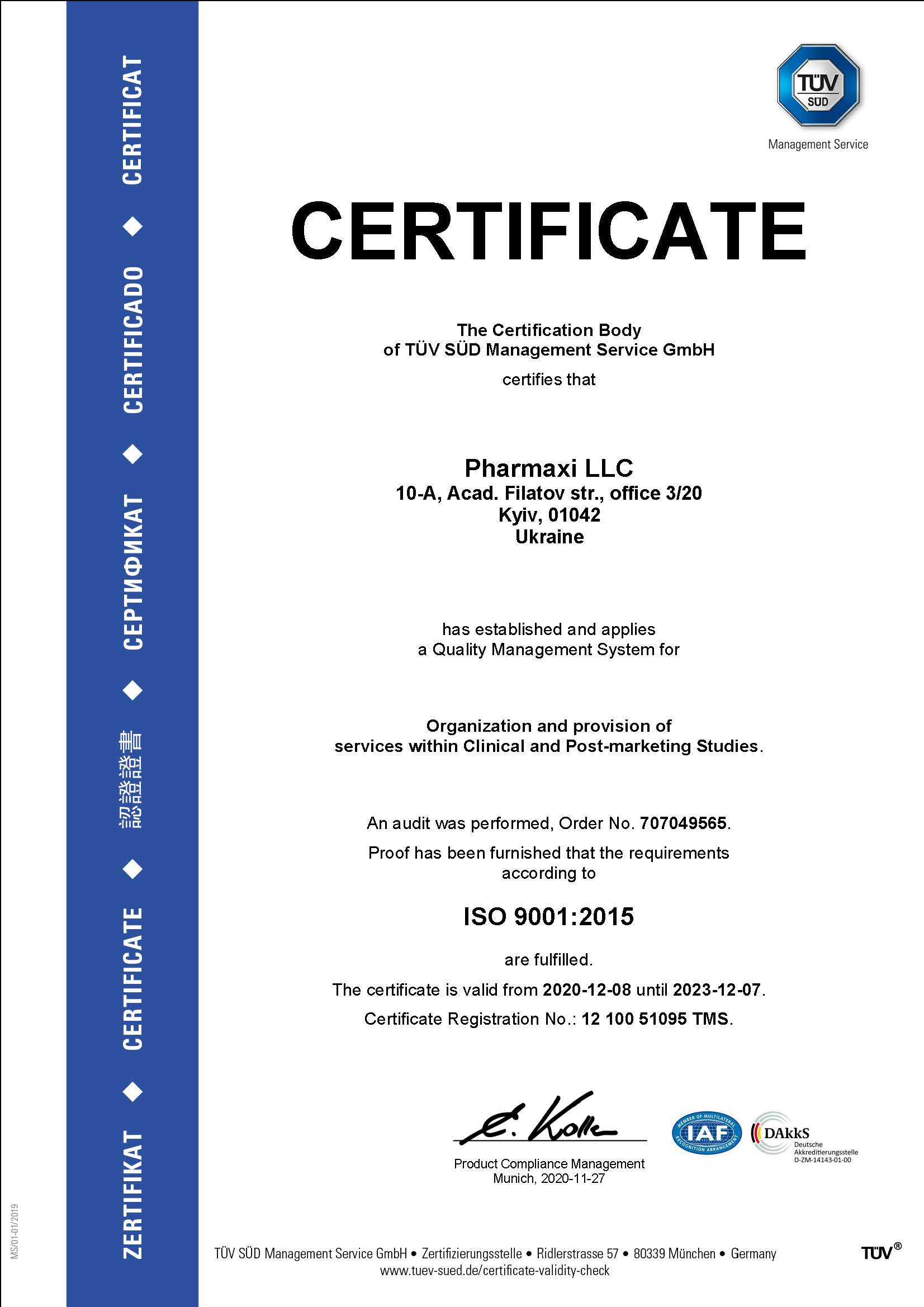
Pharmaxi offers expert support in building validation strategies, executing testing protocols, and preparing regulatory documentation that aligns with global standards like IEC 62304 and FDA guidance.