Software as a Medical Device (SaMD) is no longer a futuristic concept — it’s a fast-growing reality. From smartphone-based cardiac monitors to cloud-native diagnostic algorithms, software that performs medical functions independently of hardware is reshaping clinical practice. But with innovation comes responsibility. Because SaMD can directly influence patient outcomes, it’s subject to detailed regulatory scrutiny across all major healthcare markets.
Whether your product assists in early diagnosis, supports clinicians in treatment decisions, or guides long-term disease management, securing regulatory approval is essential. Certification is not just about market access — it’s about patient safety, legal compliance, and long-term trust in digital healthcare.
SaMD regulation encompasses the frameworks that define how software with a medical purpose is classified, evaluated, and authorized for use. While traditional medical devices are judged based on their physical design and clinical performance, SaMD is evaluated through its algorithmic accuracy, intended use, and risk profile.
The concept is global, but implementation varies. The International Medical Device Regulators Forum (IMDRF) provides foundational documents, but each national authority tailors its approach. That’s why understanding jurisdictional nuances — from classification to documentation — is key to successful certification.
The FDA treats SaMD as part of its broader medical device oversight, relying on a risk-based classification:
Developers must select the appropriate regulatory pathway:
The FDA has also piloted programs like the SaMD Precertification Pilot, aiming to shift focus from individual products to the developer’s quality systems — though this is not yet formalized.
Under MDR 2017/745, Europe has formalized how SaMD is classified and certified. The central rule here is Rule 11, which determines software class based on its medical purpose.
Key points include:
EU MDR also emphasizes transparency: clinical evidence, usability validation, and software version control must be documented in depth.
Following Brexit, the MHRA has taken independent responsibility for device regulation in the UK. While closely aligned with EU rules, the system now uses UKCA marking.
Current highlights:
Manufacturers must be ready to meet evolving expectations while monitoring divergence from EU requirements.
Australia’s TGA has integrated SaMD into its regulatory framework using IMDRF’s risk-based structure. Classification is determined by the software’s function and the clinical context in which it is used.
Important details:
The TGA places special emphasis on transparency and public access to registered product information.
While IMDRF is not a regulator, its guidance shapes global regulation. Its documents define:
Following IMDRF principles helps streamline global submissions and encourages consistency across jurisdictions.
Regardless of geography, the path to approval follows a set of core stages:
At every step, accurate documentation and traceability are essential. Omissions or unclear justifications can result in rejection or significant delays.
The regulatory landscape for SaMD is dynamic and increasingly complex. Key challenges include:
To stay ahead, successful teams build cross-functional collaboration early — uniting regulatory, clinical, software, and legal expertise.
Bringing a SaMD product to market is as much a regulatory challenge as it is a technical one. Navigating frameworks like FDA, EU MDR, MHRA, TGA, and IMDRF demands clarity of purpose, rigorous documentation, and strategic planning.
But it also offers opportunity: certification builds trust, validates your innovation, and opens the door to global adoption.
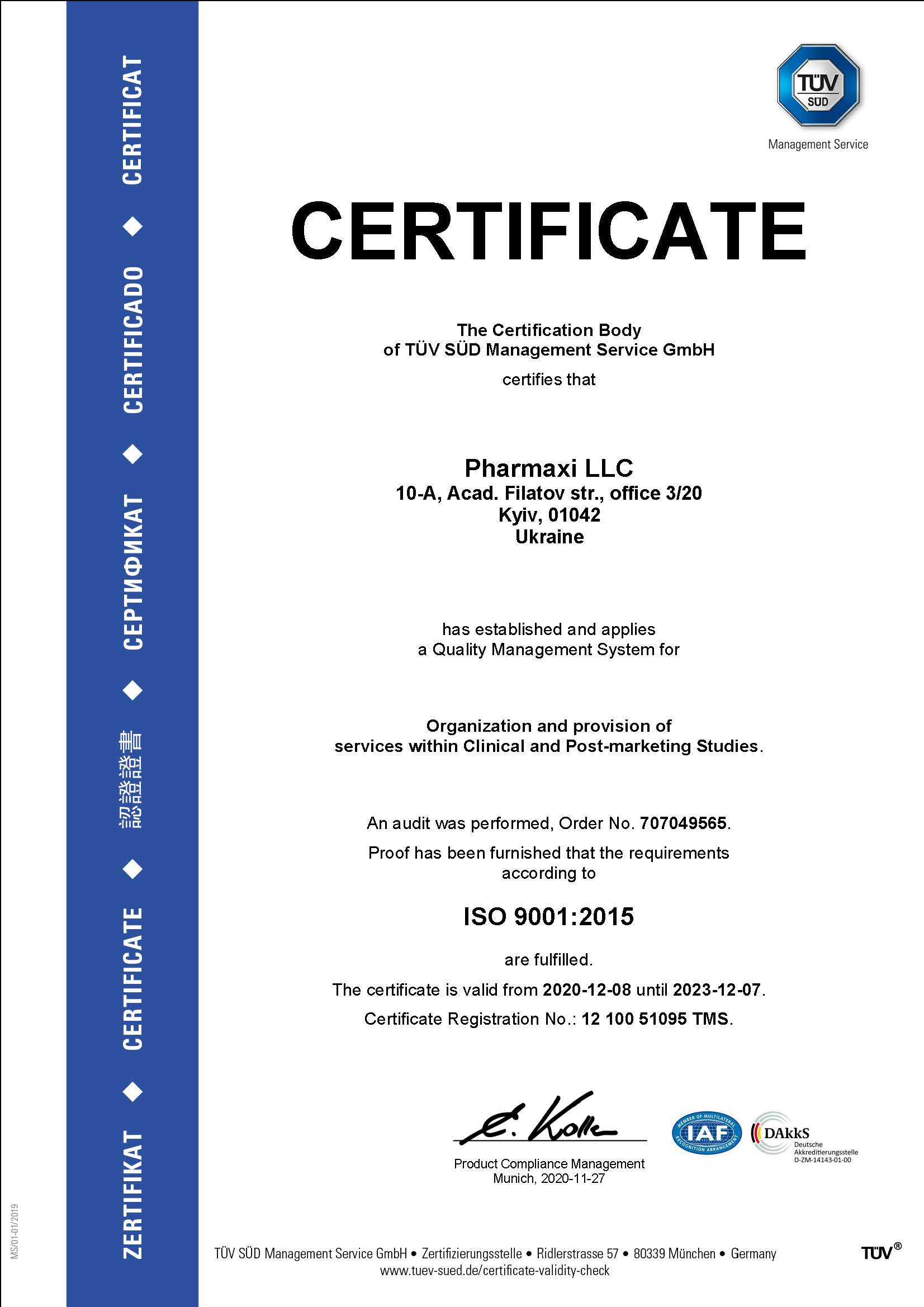
👉 Ready to certify your SaMD product? Contact our team for global regulatory support. Pharmaxi blends regulatory depth, software fluency, and clinical insight to guide you every step of the way.
Qualification, validation, clinical evaluation and certification under MDR, FDA and IMDRF: