Phase IV clinical trials, also known as post-marketing studies, are conducted after a drug has been approved by regulatory authorities and is available to the public. These trials are crucial for monitoring the long-term effects of the drug in real-world settings. While earlier phases of clinical trials focus on safety and efficacy within controlled environments, Phase IV trials evaluate the drug’s performance over an extended period and in a broader patient population. This late-stage research helps uncover potential risks, long-term side effects, and rare adverse events that may not have emerged during the pre-approval phases.
The main objectives of Phase IV studies revolve around monitoring safety and gathering additional data on the drug’s efficacy over time. These studies aim to:
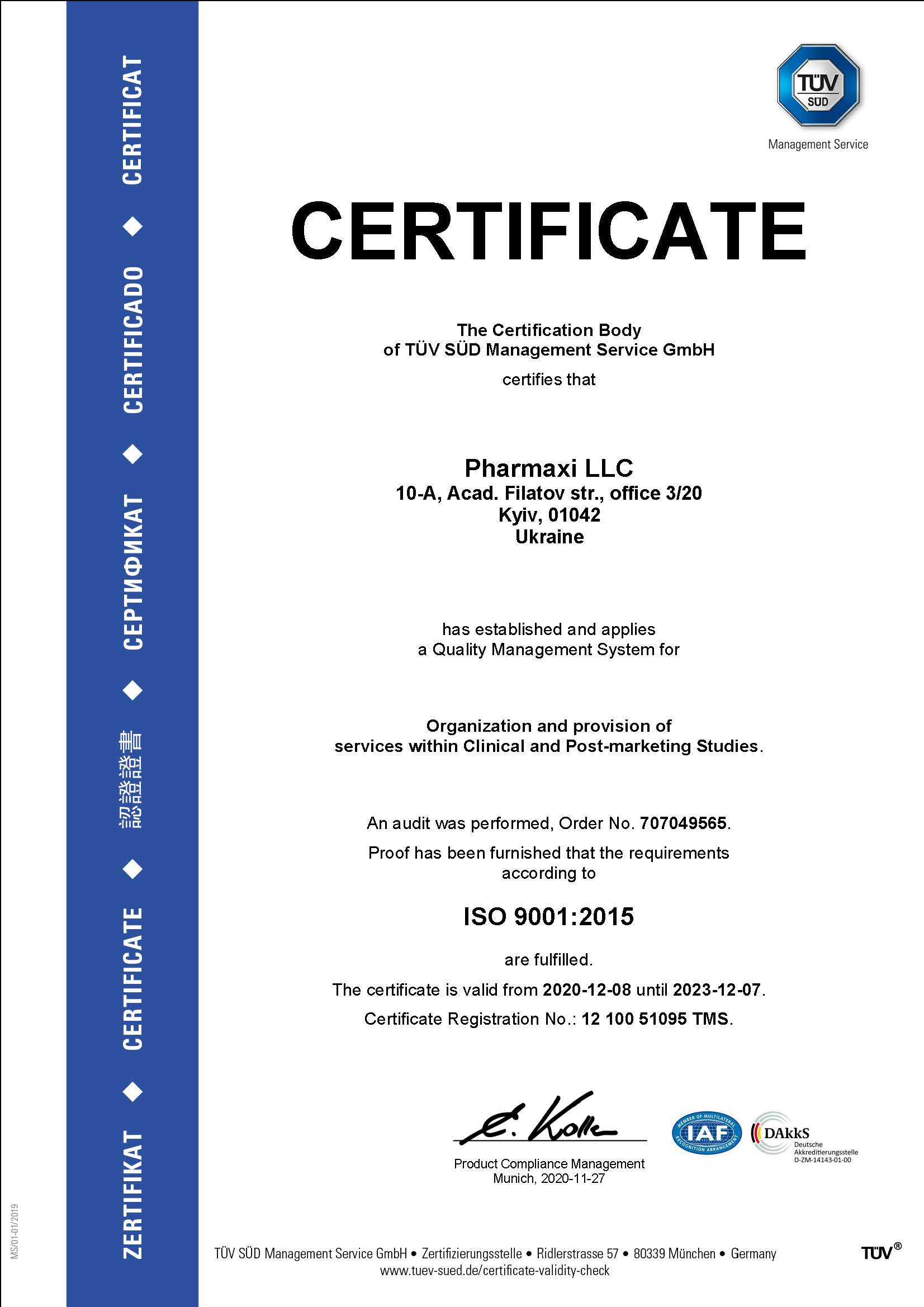
These objectives make Phase IV trials essential for ensuring a drug’s safety profile and overall effectiveness over time. Pharmaxi can be considered as a late-phase CRO because of huge experience in this area (more than 40 studies).
Late-phase research goes beyond traditional Phase IV clinical trials and includes various study types, each with a specific purpose.
Observational studies. Unlike controlled trials, these studies follow patients who are already using the drug, without altering their treatment. This helps collect real-world data on how the drug performs in everyday use.
Patient registries. These long-term databases track patients who use a specific drug, providing valuable data on its effectiveness and safety across different demographics and healthcare settings.
Expanded access program. These programs allow patients who cannot participate in clinical trials to access experimental treatments. They provide insights into how drugs perform outside of formal studies.
Comparative effectiveness research (CER). CER compares the new drug with other treatments already on the market, helping doctors and patients make informed choices.
These types of late-stage clinical research contribute to a more comprehensive understanding of a drug’s benefits, risks, and optimal use across varied populations and conditions.
The design and implementation of Phase IV trials are typically more flexible than earlier phases, as the focus shifts toward gathering data from real-world use.
Observational studies. These studies do not involve the assignment of specific treatments but instead observe patients who are prescribed the drug in routine medical care.
Real-world data collection. Data from electronic health records (EHRs), insurance claims, and registries provide a wide scope of information about the drug’s performance.
Patient-reported outcomes (PROs). These are surveys or interviews where patients directly report their experiences with the drug, including its impact on their quality of life and any side effects.
Non-interventional studies. These studies collect data without altering the patient’s standard of care, making them ideal for gathering long-term safety data.
The flexibility of Phase IV trial designs allows for the inclusion of diverse patient populations and more practical outcomes, enhancing the relevance of the results to everyday clinical practice.
In Phase IV clinical trials, real-world data (RWD) and real-world evidence (RWE) play a critical role in evaluating the drug’s impact outside of the controlled environments of earlier trials. RWD is gathered from routine healthcare settings, including medical records, insurance claims, and patient surveys, while RWE is the insight derived from analyzing this data.
The importance of RWD and RWE in Phase IV trials includes:
By integrating real-world data into Phase IV studies, pharmaceutical companies and researchers can continuously monitor a drug’s performance, ensuring that it remains safe and effective for the broader population.
Phase IV clinical trials are vital for understanding the long-term effects and safety of a drug in real-world settings. Whether you need assistance with planning a Phase IV trial or want to leverage real-world evidence strategies, our team can provide the expertise and support you need. Contact us today to learn more about how our CRO services can help ensure the success of your late-phase clinical research and the ongoing safety of your product.
Registries, PMSS and non-interventional designs – approval in as little as 30 days: